
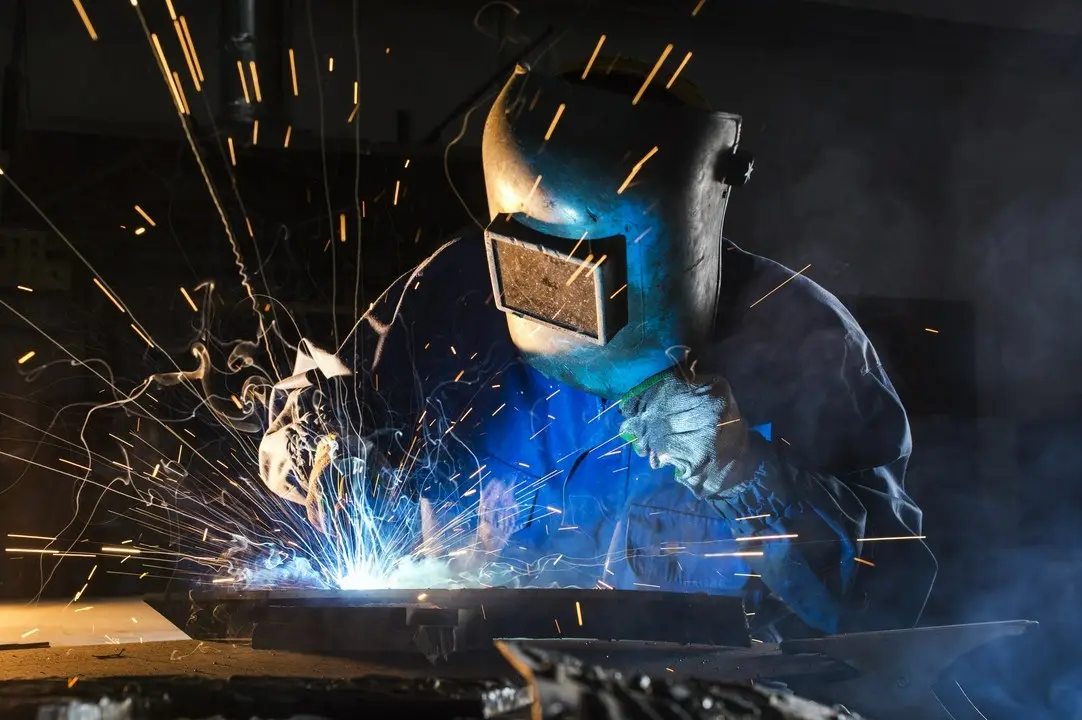
The welding of aluminum is gaining in importance due to its lightness, corrosion resistance, and good strength-to-weight ratio. Due to the alloy’s specific characteristics, the process requires appropriate techniques, equipment, and control of parameters to avoid porosity, cracking, or deformation. The result is durable, aesthetically pleasing connections used in the automotive, aerospace, and construction industries. Understanding the factors influencing the price of aluminum welding helps in comparing offers — I encourage you to continue reading to learn more details.
What influences the prices of aluminum welding?
At the expense Welding of aluminum Several specific factors contribute to the cost: First, the joining method: TIG (welding with tungsten in a gas shield) provides the highest quality and precision; this choice affects the working hours and the consumption of materials. Second, the thickness and the type of alloy: thin sheets require more delicate heat control, and thin-layer components may require special devices to counteract deformation. Third, preparation and finishing: sandblasting, cleaning of oxides, edge chamfering, and grinding of welds increase the labor cost. Fourth, quality requirements and documentation: non-destructive testing, certificates for welders, and tightness tests increase the cost. Additionally, the size and complexity of the assembly affect the assembly time and the need to use fixturing equipment. The cost of additional materials (wires, shielding gases, electrodes) and the amortization of specialized equipment are also taken into account. Price list for aluminum welding It may vary depending on the minimum rate per order, the deadline for execution, and any design work. When comparing offers, it is worth comparing the technical details and scope of work, not just the final amount.
What methods of welding aluminum are available?
Welding aluminum requires choosing a technique tailored to the thickness of the raw material, the desired appearance of the weld, and the budget. TIG (tungsten welding in an argon shield) provides the highest quality, precision, and clean, controlled fusion — ideal for thin sheets and elements requiring aesthetic seams. MIG/MAG with wire feeding It works faster and is suitable for thicker cross-sections and serial production; it requires good control of parameters and often additional edge preparation. Arc welding with a shielded electrode is often used in repairs and in hard-to-reach areas, and it generates more spatter, which requires additional cleaning. Laser welding and electron beam welding offer minimal deformation and narrow heat-transfer zones, making them attractive solutions, although they require a specialized machine park. Point or cross-sectional methods are used depending on the design of the joints; the choice determines the operating time, material consumption, and the final price of the service.
How to choose the right company for aluminum welding
When choosing a contractor Welding of aluminum Three areas are important: competencies, quality and conditions of cooperation. Check the qualifications of the specialists and the methods used (TIG, MIG, spot welding) to match the technology to the thickness and application of the detail. Request a portfolio of completed projects and references — photos of welds along with customer reviews illustrate reliability. Determine the scope of work: surface preparation, chamfering, grinding, and non-destructive testing affect the price. Ask about the materials used and shielding gases along with control procedures. Delivery deadlines, warranty conditions, and guarantees for the performance of services are important. When comparing offers, request a detailed cost estimate detailing the labor, raw materials, and additional work — this will help you assess the value of the service, not just the lowest price.
Factors influencing the prices of aluminum welding
Aluminum welding is crucial in the industry due to its lightness and corrosion resistance. The cost of welding services depends on many factors, including the welding method, material thickness, and quality requirements. The choice of techniques such as TIG or MIG affects precision and turnaround time. Surface preparation and additional services such as machining or powder coating also add to the cost. Customers should consider the contractor’s experience and the quality of materials to obtain optimal value for money.
Discover the benefits of aluminum welding and choose the best technique for your needs. Contact our experts for detailed information and to customize the offer to meet your individual requirements.
FAQ
What aluminum welding techniques are most commonly used?
The most commonly used techniques are TIG, MIG/MAG, and spot welding. TIG offers the highest precision, while MIG/MAG is faster and is suitable for thicker materials.
Why can the price of aluminum welding vary?
The price depends on the welding method, the thickness and type of alloy, as well as additional services such as surface preparation or quality testing. Each of these factors affects the final cost.
What is worth checking when choosing a welding contractor?
It is worth paying attention to the expertise of the specialists, the quality of their previous work, and the terms of cooperation, such as deadlines or guarantees.

 Polski
  English (UK)
  Deutsch
  Español
  Français
  Українська
  Русский
  Čeština
  Slovenčina
  Svenska
  Română