
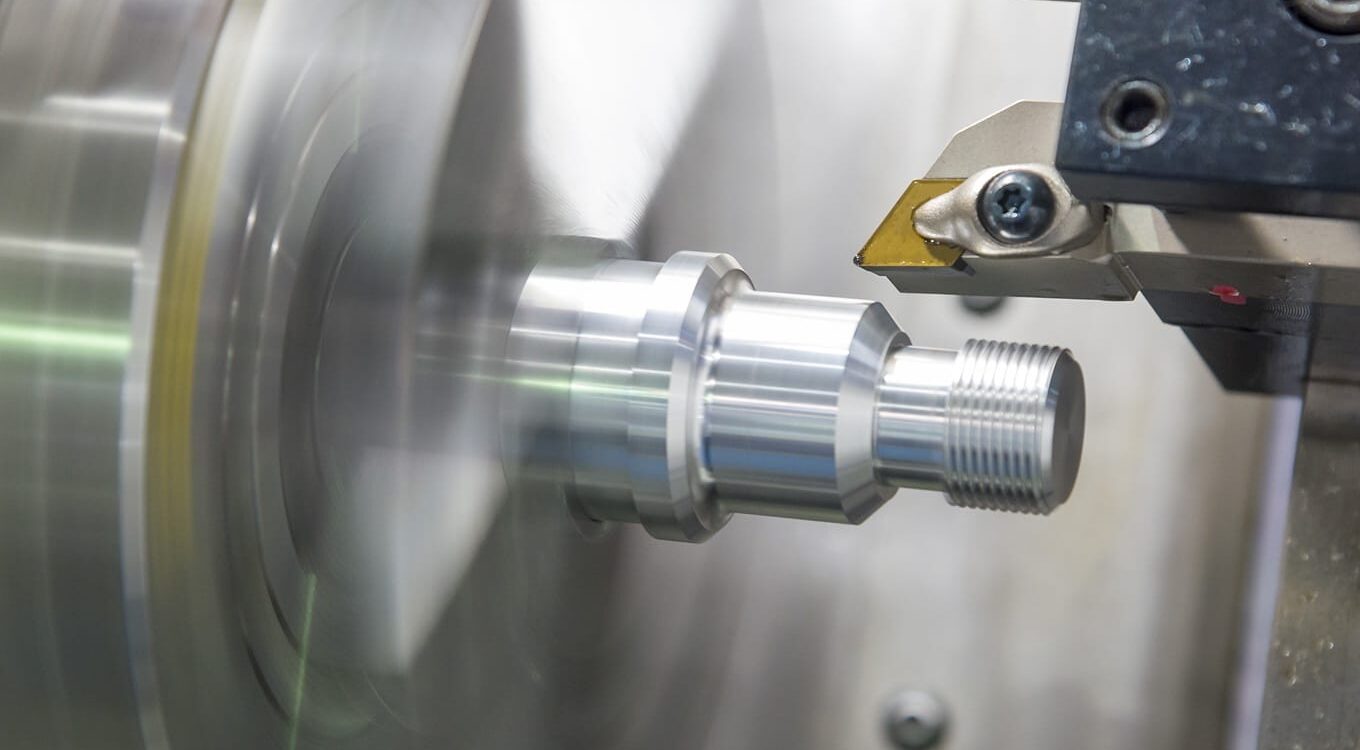
Cutting machining is a technological process that enables the precise shaping and finishing of metal components. It involves removing excess material from the surface of the workpiece, allowing for the desired shape and smoothness. In non-ferrous metal foundries, various cutting techniques are used, such as turning, milling, and drilling. This process plays a crucial role in the production of high-quality and dimensionally accurate components. It is worth noting the importance of cutting machining in the foundry industry and its applications in various sectors of industry.
Why is machining important?
The machining by cutting has Key importance in the production of metal components, Especially in foundries for non-ferrous metals. With precise cutting methods, such plants can deliver products with high dimensional accuracy and excellent surface quality. This is essential for the durability and functionality of final products, which is particularly important in industries such as automotive and medical. In these sectors, components must meet strict standards and customer expectations. The use of advanced machining techniques allows for the production of components that operate reliably and are resistant to wear and damage. It should be emphasized that non-ferrous metal foundries offer comprehensive support, which means assistance at every stage of production – from modeling to the finished product. Thanks to this, customers can count on high quality and on-time delivery of orders.
Where is cutting machining used?
Cutting processing is used in various industries that require precision components made of non-ferrous metals. The machine industry uses this technology to manufacture components for machines and devices, while the automotive sector needs parts for vehicles. The energy industry uses this method to manufacture components for power plants, and the medical industry uses it to produce tools and medical equipment. In construction, it is used to create structural elements, and in mining, it is used to manufacture machine parts. Companies involved in this process are able to handle both small and large orders, which makes them flexible and able to adapt to customer requirements. Thanks to this, machining is becoming increasingly popular among manufacturers of technical and decorative components made from non-ferrous metals such as aluminum and copper., in foundries of non-ferrous metals.
What cutting-edge machining techniques are used
In companies engaged in non-ferrous metal foundry Various machining methods are used, such as turning, milling, and drilling. Each of them has its unique characteristics and advantages that affect the quality and precision of the components. Turning involves removing material from the surface of the workpiece using a cutting tool, which allows for cylindrical shapes to be achieved. Milling, on the other hand, uses milling machines to create flat or contoured surfaces. Drilling is used to create holes of various diameters. Understanding these methods enables a better alignment of the production process specific needs of customers, which translates into higher product quality and customer satisfaction.
The importance of machining in the foundry of non-ferrous metals
Cutting machining in foundries for non-ferrous metals, such as aluminum and copper, is a crucial process that ensures the precise shaping and finishing of components. Techniques such as rolling, milling, and drilling enable the production of components with high dimensional accuracy and excellent surface quality, which is essential in industries such as automotive, medicine, and construction. Companies offering cutting machining handle both small and large order quantities, allowing them to flexibly adapt to customer needs. With comprehensive service, from modeling to finished product, non-ferrous metal foundries can deliver high-quality products compliant with national and international standards.

 Polski
  English (UK)
  Deutsch
  Español
  Français
  Українська
  Русский
  Čeština
  Slovenčina
  Svenska
  Română