
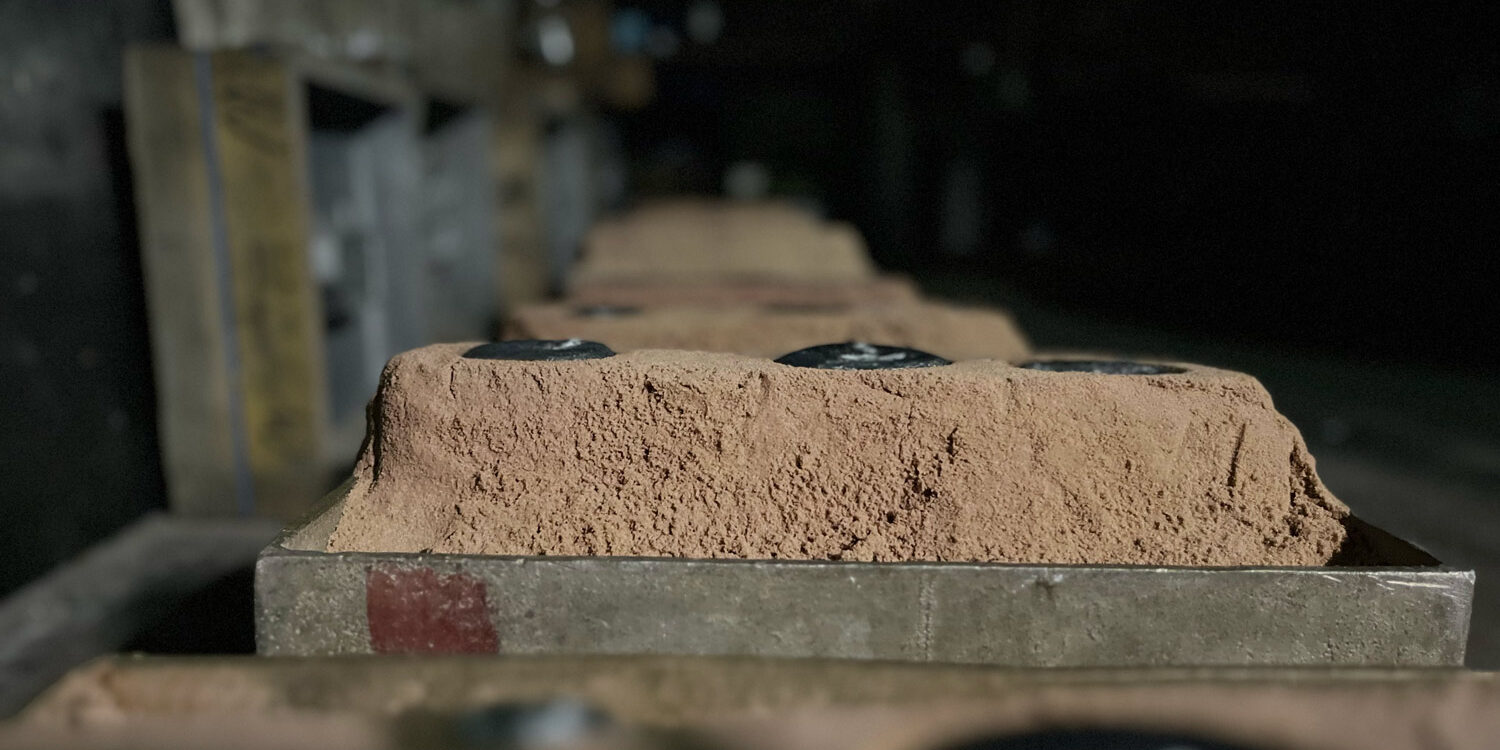
Non-ferrous metal casting is a process that produces a variety of components from raw materials such as aluminium or copper. Sand and steel moulds play a key role in the shaping of these materials, making it possible to produce components of different shapes and sizes. Non-ferrous metals are characterised by their lightness and corrosion resistance, which makes them widely used in the automotive, construction and electronics industries. It is worth noting the importance of moulds in the non-ferrous metal casting process and their impact on the quality and functionality of the final products.
Advantages of sand moulds
The advantages of sand moulds in the casting of non-ferrous metals are numerous. First and foremost flexibility allows complex shapes to be created easily, which is important in many industries. Production costs are lower than for steel moulds, making them more accessible to businesses. The quality of the resulting castings often exceeds customers' expectations due to the precise reproduction of details. It is worth noting applications of sand moulds in various fields, such as automotive, construction or art. In each of these industries, specialists use the advantages of this type of solution to meet market demands and customer expectations. In the non-ferrous casting process, sand moulds play a key role, offering flexibility, low production costs and high casting quality. This enables companies to fulfil orders of a wide variety of shapes and sizes, which translates into customer satisfaction and development of the foundry industry. It is therefore worth appreciating the importance of this element of the process and investing in modern technologies related to non-ferrous metal foundry.
Characteristics of steel moulds
Steel moulds are a key element in the non-ferrous metal casting process, especially for components requiring high precision and durability. Made of high quality steel, they ensure a long service life and resistance to damage. Compared to sand moulds, they are characterised by better dimensional accuracy and surface smoothness of castings. Mainly used in the production of machine components, tools and automotive parts, their selection depends on the specifics of the project and the customer's expectations.
They are preferred in situations where the following are required high precision and repeatability of production. The foundry industry uses them both in the die casting process and in the creation of brass or cast iron components. The use of these moulds makes it possible to obtain castings with complex shapes and high mechanical strength. It is worth noting that modern technologies allow the production of steel moulds with even better parameters, which translates into the quality of the final products and customer satisfaction.
The future of foundry technology
Choosing the right forms in the process casting of non-ferrous metals is crucial to the quality of the final products and the flexibility of the production process. The future of foundry technology may bring mould innovations that will further improve the efficiency and precision of operations. As materials and production technologies evolve, non-ferrous metal plants will be able to use increasingly advanced solutions, which will affect the quality and variety of products offered.
Companies offering comprehensive service and individual approach to clients' needs, resulting in products that meet expectations in terms of both quality and functionality. In the future, innovation in the field of moulds may contribute to the further development of the industry and increase competitiveness in the market.

 Polish
  English
  German
  Spanish
  French
  Ukrainian
  Russian