
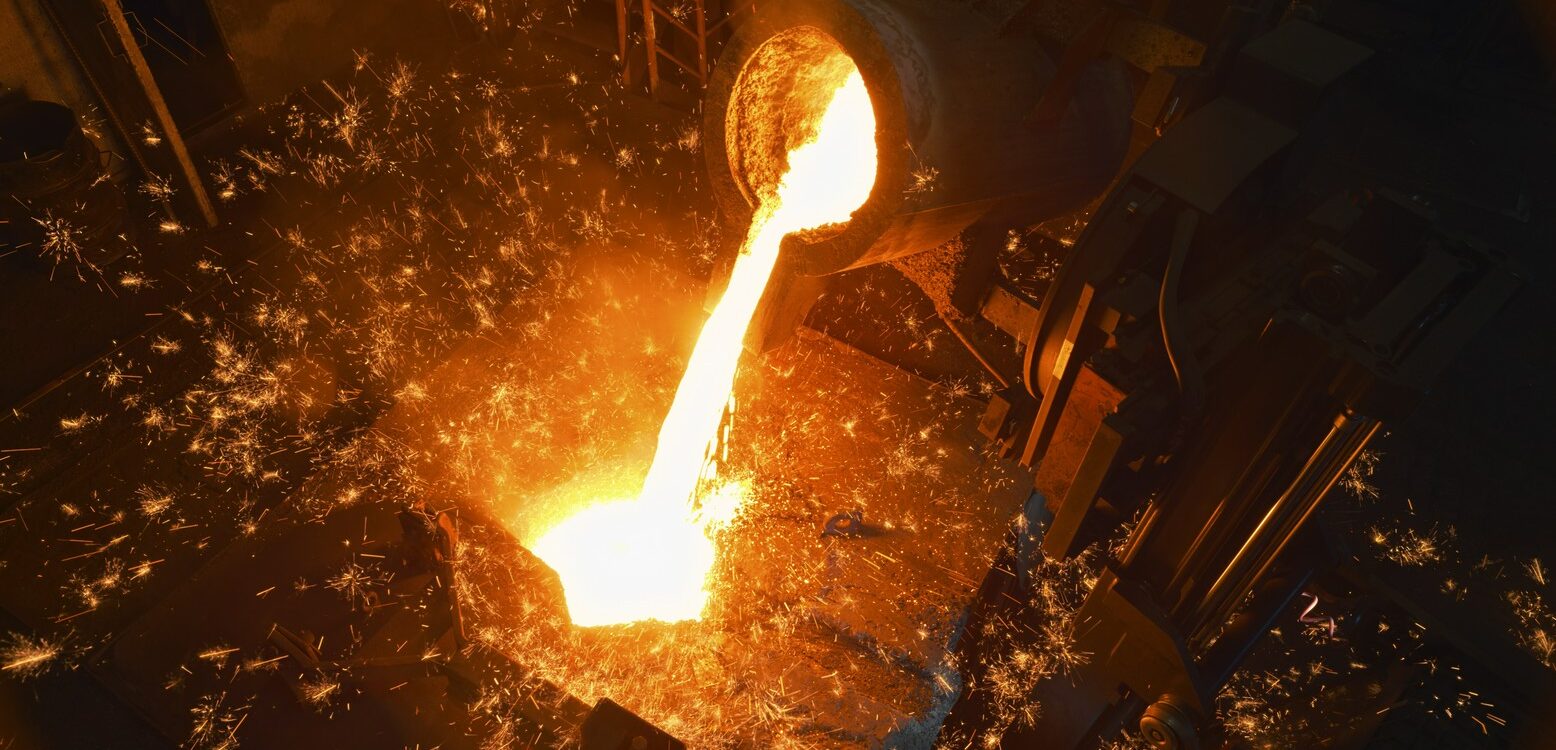
Non-ferrous metal foundries play a key role in industry, supplying components in aluminium, copper and their alloys. These products are used in a variety of industries such as automotive, energy and medicine. High product quality and compliance with international standards are essential to remain competitive in the market. Companies offering foundry services use modern technologies and carry out quality control to meet customer expectations. It is worth paying attention to the foundries in Warsaw that specialise in the production of components compliant with international standards, but also to other plants that can provide equally high quality services.
Highlights of the non-ferrous metal foundry
The non-ferrous metal foundry in Warsaw specialises in the production of technical and decorative components from aluminium, copper and alloys, and also offers cast iron components in small series. It uses sand and die casting technologies and machining to ensure high product quality. It serves a variety of industries, including engineering, automotive and energy, adapting its processes to international standards. In addition, the company provides modelling and one-stop order processing services, making it more competitive in the market.
Casting technologies and their impact on quality
Foundry technologies used in the production of components mainly include sand casting and die casting. Both methods have their advantages, which affect the quality of the products and their compliance with international standards. The respective technologies make it possible to obtain high precision and accuracy the manufacture of components, which is particularly important in industries such as automotive or medical, where mistakes can lead to serious consequences. Sand casting uses moulds made from a mixture of sand and binder, while die casting uses metal moulds called dies. This method is characterised by shorter lead times and better surface quality of the castings. It is worth adding that the company offering these services in Warsaw also provides comprehensive order processing, which means assistance with modelling and detailing based on manufacturing drawings. As a result, customers can count on products that meet their expectations in terms of both quality and compliance with current standards.
Machining processes in component manufacturing
Machining processes in component manufacturing are key to achieving precision parts that meet international standards. Among these are turning, milling and drilling, which allow non-ferrous metal components to be accurately formed. Thanks to these techniques foundry from Warsaw is able to produce components with complex shapes and high quality. These processes support the fulfilment of quality and technical standards by ensuring appropriate dimensional tolerances and surface smoothness. CNC machine tools are used for turning and milling, which guarantees the repeatability and precision of the parts. Drilling, on the other hand, allows holes of various diameters and depths to be obtained, which is important for many industrial applications. Powder coating is another processing step that improves the aesthetics and resistance to weathering. Thanks to modern technologies and the experience of specialists in the foundry industry, the non-ferrous metal plant provides products that meet the expectations of customers both in Poland and abroad.
International standards in the foundry industry
International standards in the foundry industry play a key role in ensuring high product quality. In the national and international market, there are many regulations and standards that have to be adhered to by plants involved in this craft. Companies adapt their processes to these requirements by using the right technology and materials, as well as carrying out systematic quality control at every stage of production. This enables them to offer products that comply with national, European and international standards. The engineering, automotive or energy industry expects components that meet certain standards, which allows the various sectors of the economy to function effectively and remain competitive in the global market.

 Polski
  English (UK)
  Deutsch
  Español
  Français
  Українська
  Русский
  Čeština
  Slovenčina
  Svenska
  Română